Seafood markets sell a product that turns from asset to liability in 24 to 48 hours, and most ecommerce platforms weren't built for that clock. This guide breaks down what an ecommerce platform for seafood markets actually needs to do — catch-weight pricing, cold-chain delivery, prepared-food ordering — and which capabilities to prioritize first.
- An ecommerce platform for seafood markets needs catch-weight pricing, same-day delivery windows, and traceability at the SKU level — generic grocery plugins skip all three.
- Local Express pairs a white-label website and branded app with a self-ordering kiosk for prepared seafood counters — Buy for markets running a hot bar or fry station.
- Retail media tools recover margin on perishables that would otherwise get marked down or tossed — Consider this before adding more SKUs.
- Skip any platform that can't handle by-the-pound checkout math in 2026 — it will misprice half your catch.
Why this matters
Generic grocery ecommerce tools are built around fixed-unit SKUs — a can of beans weighs the same every time. Seafood doesn't work that way. A pound of salmon fillet, a dozen oysters, a whole snapper — the actual weight and price vary by order, and if your platform can't handle that at checkout, you're either losing margin on rounding or annoying customers with post-order price adjustments.
Add in the freshness clock — 24 to 48 hours before quality drops — and the delivery, inventory, and ordering stack has to move faster than a standard grocery build. This is what separates an ecommerce platform for seafood markets from a repurposed general grocery template.
Who this is for
This guide is built for independent and regional seafood market owners — fish counters, crab shacks, oyster bars with retail cases, and specialty seafood retailers running one to a handful of locations. If you're selling fresh catch, frozen product, and a prepared-food counter (fried fish, chowder, poke bowls) and you're still taking phone orders or relying on a third-party delivery app that owns your customer data, the criteria below apply directly to you. A unified commerce platform built for independent grocers and specialty food retailers solves most of this out of the box.
What to look for in an ecommerce platform for seafood markets
Catch-weight and by-the-pound pricing at checkout
If your platform prices everything as a fixed unit, you'll either overcharge or undercharge on every variable-weight order. Seafood markets need checkout logic that lets customers order "1.5 lbs of halibut" and get charged the actual weight fulfilled, not an estimate that gets corrected after the fact.
Same-day cold-chain delivery windows
A seafood order placed at 10am needs to move fast — 2 to 4 hour delivery windows are standard practice for perishable grocery, and seafood has even less margin for delay than dry goods. The platform needs order routing and last-mile delivery built for that timeline, not a next-day fulfillment model borrowed from general retail.
Lot-level traceability and catch information
Customers buying $18-a-pound scallops want to know where the product came from — wild-caught vs. farmed, region, catch date. A platform that supports SKU-level sourcing detail on the product page builds trust that a bare product name and price don't.
Prepared foods and made-to-order counter integration
Most seafood markets run a hot case or fry station alongside the retail counter — fish and chips, chowder, poke, fried oysters. Your ecommerce platform needs to handle made-to-order (MTO) items with modifiers (batter type, sides, spice level) the same way it handles packaged inventory, ideally through a self-service kiosk that cuts counter wait times.
Retail media and margin protection tools
Seafood carries thinner, more volatile margins than shelf-stable grocery — pricing swings with supply, and markdowns on unsold fresh product eat into already-tight margins. Retail media tools that surface high-margin items, bundle deals (crab boil kits, seasonal specials), and manage promotions directly on your own site protect margin that a third-party marketplace would otherwise take a cut of.
Top picks for seafood market ecommerce
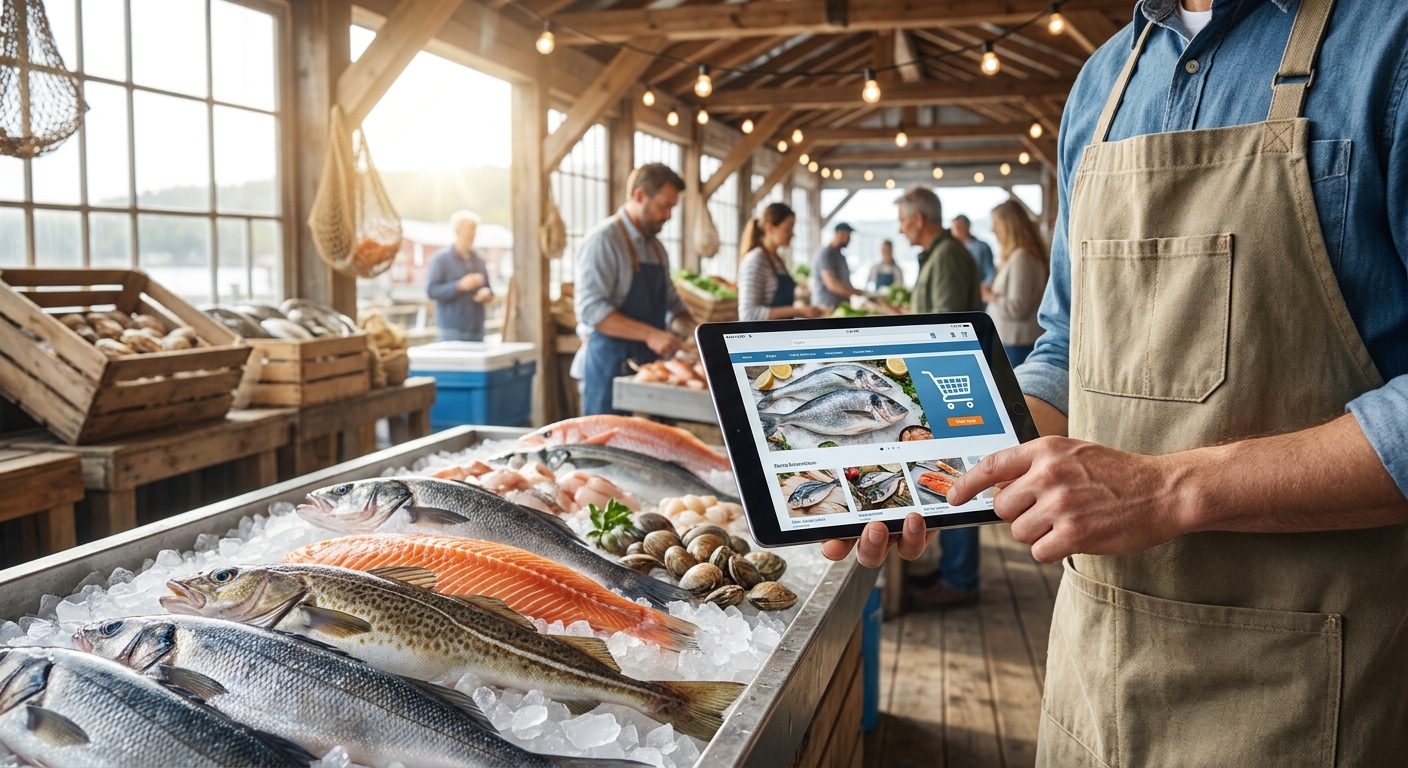
The foundation — white-label ecommerce website. Your site needs to handle catch-weight SKUs, sourcing details, and same-day delivery scheduling without looking like a template built for canned goods. A branded, white-labelled storefront keeps the seafood market's name and customer relationship front and center instead of routing traffic through a third-party marketplace logo. Buy.
The reorder engine — branded mobile app. Regular seafood customers reorder on a schedule — weekly salmon, Friday fish fry, holiday shellfish orders. A fully branded app with push notifications for fresh catch arrivals drives repeat orders without ad spend. Buy for markets with 500+ repeat customers a month; Consider for smaller operations still building a customer base.
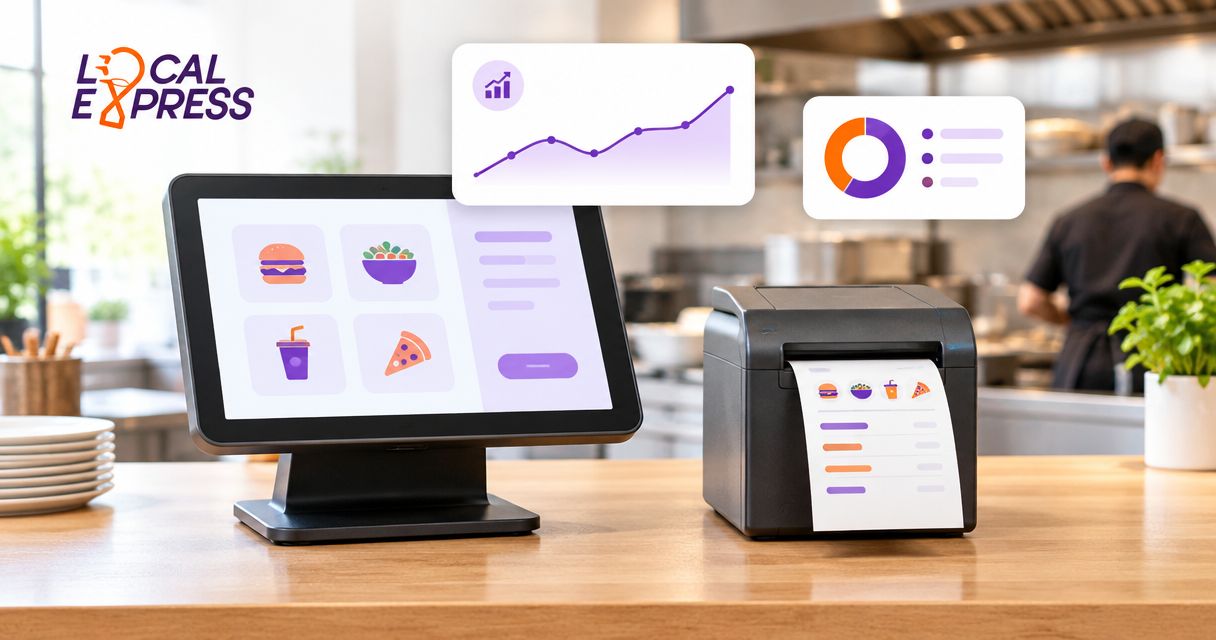
The counter without the line — self-service kiosk. Prepared seafood counters (fry stations, poke bars, chowder service) move faster with in-store self-ordering kiosks that take modifiers and payment without a cashier bottleneck. This matters most for markets running MTO food alongside retail seafood sales. Buy if counter lines are a bottleneck during peak hours; Skip if you're pure retail with no hot case.
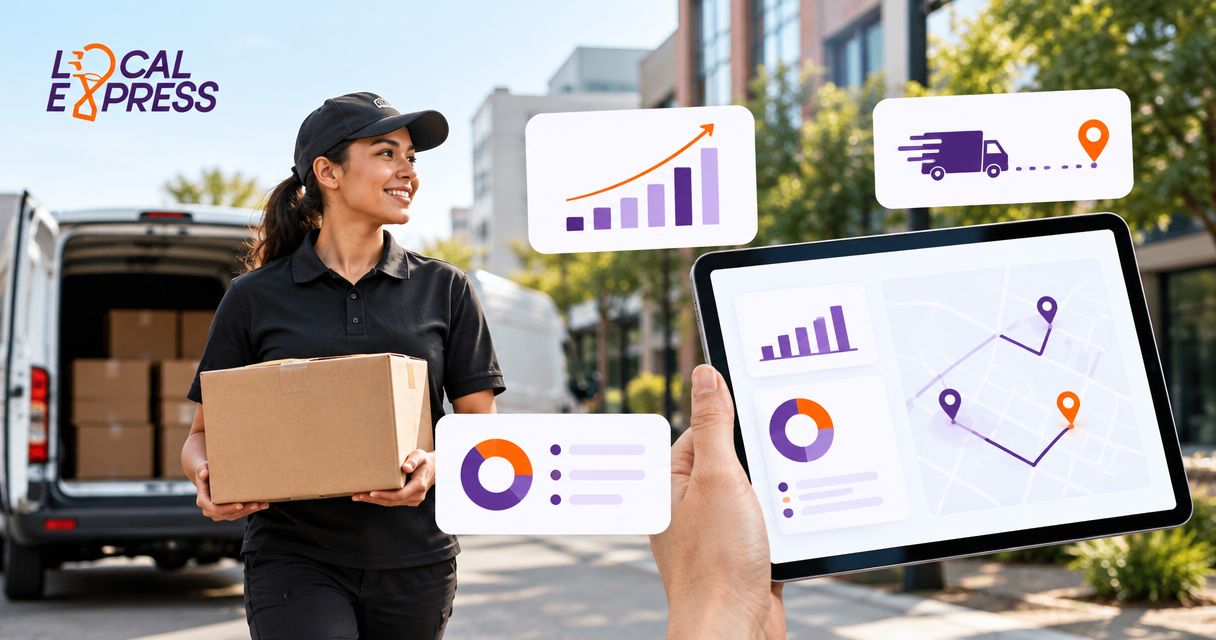
The cold chain guard — order management and last-mile delivery. Perishable seafood needs delivery routing that respects the 24-to-48-hour freshness window, with real-time order status so a driver delay doesn't mean a spoiled order. Buy for any market doing delivery beyond walk-in and pickup.
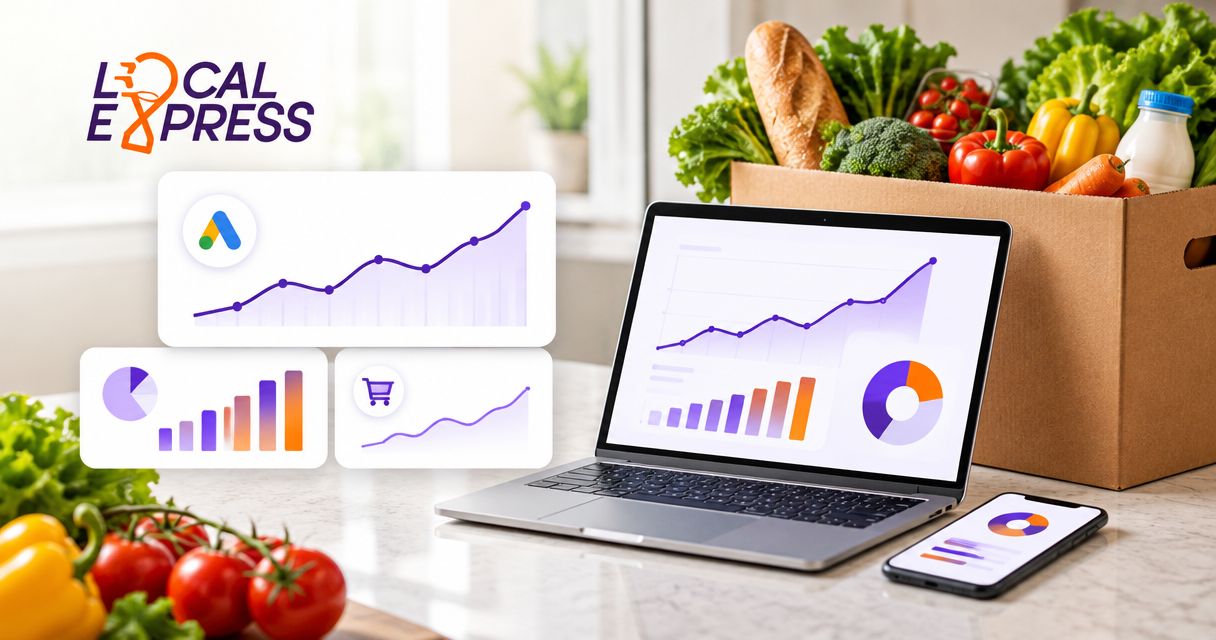
The margin recovery — retail media tools. On-site promotion of high-margin catch, seasonal bundles, and markdown alerts before product ages out protects revenue that would otherwise disappear into discounting or waste. Consider once your ecommerce order volume is consistent enough to have promotional inventory worth surfacing.
Build your seafood market's ecommerce platform
White-label site, branded app, and kiosk ordering in one platform.
What to avoid
- Multi-vendor marketplaces that own your customer data. They look convenient at launch but take a cut of every order and never hand you the customer relationship or reorder history.
- Ecommerce plugins with no catch-weight logic. If checkout math is built for fixed-unit SKUs, you'll spend hours a week manually correcting orders.
- Delivery apps that require customers to download a third-party app. Every order routed through someone else's app is a customer you don't own and can't remarket to directly.
Verdict comparison
| Capability | Why it matters for seafood markets | Verdict |
|---|---|---|
| Catch-weight checkout pricing | Prevents under/overcharging on variable-weight orders | Must-have |
| Same-day delivery routing | Protects the 24-48 hour freshness window | Must-have |
| Self-ordering kiosk for MTO items | Cuts counter wait times for fry stations and hot bars | Buy if running prepared food |
| SKU-level sourcing detail | Builds trust on premium catch | Consider |
| Retail media and markdown tools | Recovers margin before product ages out | Consider once volume is steady |
FAQ
What's the best ecommerce platform for seafood markets?
The best ecommerce platform for seafood markets handles catch-weight pricing, same-day cold-chain delivery, and prepared-food kiosk ordering in one system. Local Express bundles a white-label site, branded app, and self-ordering kiosk built for independent grocers and specialty food retailers.
Is a white-label platform better than a third-party marketplace for seafood delivery?
A white-label platform is generally better because it keeps the customer relationship and order data with the seafood market instead of a marketplace. Third-party marketplaces also take a commission per order, which cuts into already-thin seafood margins.
How much does an ecommerce platform for a seafood market cost?
Costs vary by feature set — website, mobile app, kiosk, and delivery routing are typically priced as modules. Check current pricing directly with the platform provider since it depends on store count and which modules you need.
Can seafood markets sell variable-weight products online?
Yes, but only on platforms built with catch-weight checkout logic. Standard fixed-unit ecommerce templates will misprice by-the-pound items like fillets, whole fish, and shellfish.
Do seafood markets need a mobile app or is a website enough?
A website covers first-time and occasional buyers, but a branded mobile app drives repeat orders through push notifications on fresh catch arrivals. Markets with regular weekly or Friday fish-fry customers see the most benefit from an app.
How does a self-ordering kiosk help a seafood counter?
A kiosk lets customers order made-to-order items like fried fish or poke bowls with modifiers directly, cutting the line at a manned counter. It matters most for markets running a hot case or fry station alongside retail seafood sales.
What's the biggest mistake seafood markets make with ecommerce?
The most common mistake is launching on a generic grocery template that can't handle catch-weight pricing or same-day delivery windows. That mismatch shows up as pricing errors and late deliveries on a product with a 24-48 hour shelf life.
One last thing
The seafood markets that get the most out of ecommerce in 2026 aren't the ones with the flashiest website — they're the ones that fixed catch-weight checkout math first. Get that wrong and every other feature, from the app to the kiosk, just amplifies the pricing errors at scale.