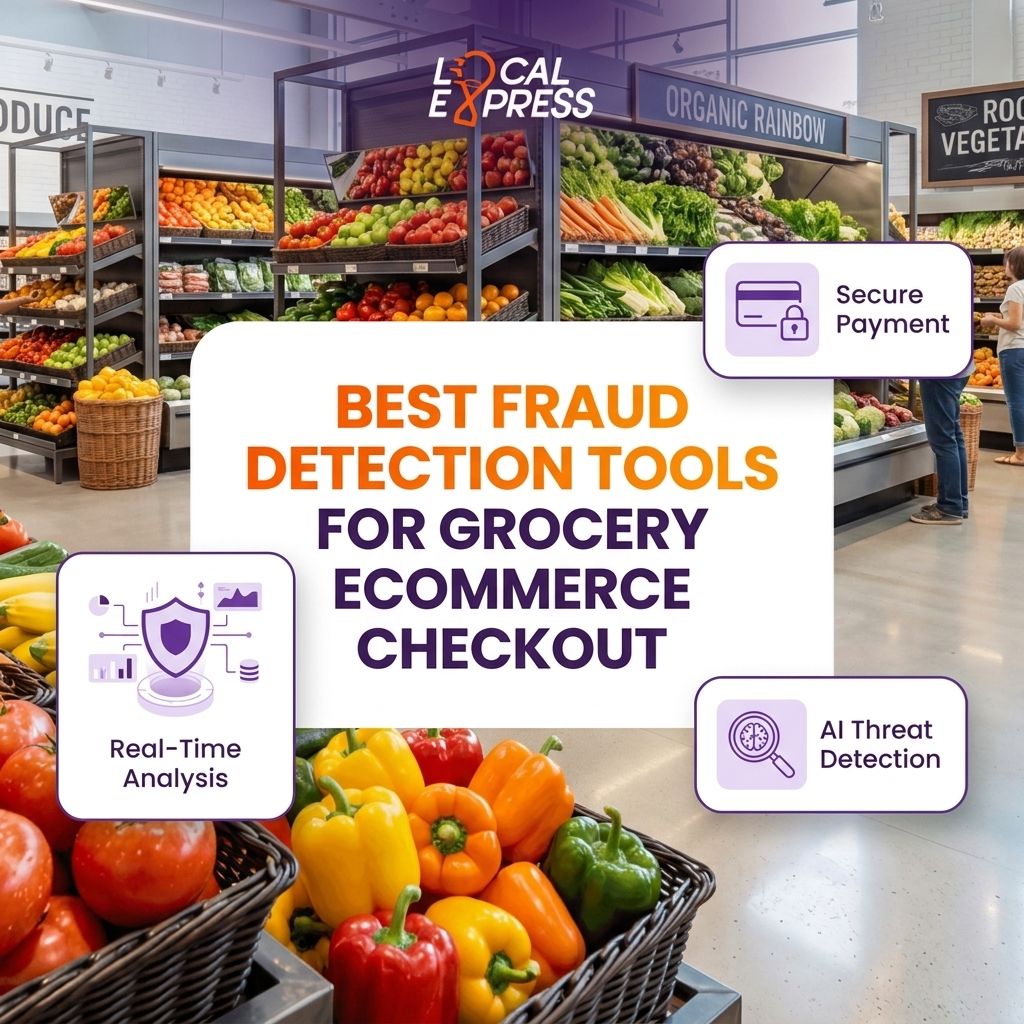
Best overall for grocery chargeback protection: Signifyd. Best for high-ticket specialty and alcohol orders: Riskified. Best budget option for single-location independents: NoFraud. Every other tool on this list earns a narrower seat: Kount for multi-location device fingerprinting, Stripe Radar for stores already routing payments through Stripe, and Sift for chains running loyalty and subscription programs that need behavioral risk scoring.
- Signifyd wins for regional grocery chains that want a full chargeback guarantee on checkout fraud in 2026.
- Riskified fits grocers selling wine, spirits, or high-AOV specialty orders where age verification and ticket size raise fraud risk.
- NoFraud is the simplest plug-in for single-location independents that don't want a full risk-ops setup.
- Stripe Radar is the default choice if your grocery ecommerce checkout already runs on Stripe for cards, Apple Pay, or Google Pay.
- No fraud detection tools grocery ecommerce checkout use should slow down BOPIS or kiosk pickup — test latency before you sign.
Why this matters
Card-not-present fraud is the dominant risk pattern in grocery ecommerce because the shopper never swipes or taps in front of an associate — the exposure sits entirely at checkout and at pickup. Regional and independent grocers running their own websites and apps in 2026 carry more of that risk directly than they did when a marketplace absorbed the liability.
BOPIS and curbside pickup make this worse: the card is authorized online, but nobody checks a CVV or ID at the curb unless the store builds that step in. Stores using loss prevention kiosk software at self-checkout already treat in-store shrink as a data problem — checkout fraud deserves the same discipline online.
The six tools below cover the range grocers actually shop between: full-service chargeback guarantee platforms, payment-gateway-native tools, and lightweight rules engines for stores that don't need enterprise risk ops.
What makes the best fraud detection tool for grocery ecommerce checkout
- Chargeback liability shift — does the vendor guarantee the transaction or just score it?
- Checkout latency — does the fraud check add delay at kiosk, app, or web checkout?
- Order-type coverage — does it handle BOPIS, delivery, and subscription orders differently?
- Integration effort — API-native to your payment processor, or a bolt-on that needs engineering time?
- False-positive rate on loyalty shoppers — does it block repeat customers using new devices or cards?
- Reporting for chargebacks and disputes — can store managers pull evidence without calling support?
Fraud detection tools for grocery ecommerce checkout at a glance
| Tool | Best for | Standout feature | Key limitation |
|---|---|---|---|
| Signifyd | High-volume regional chains | Chargeback guarantee on approved orders | Overkill for a single-store operation |
| Riskified | High-ticket specialty/alcohol orders | Guarantee model built for high-AOV and age-restricted SKUs | Onboarding takes real integration time |
| Kount | Multi-location chains | Device fingerprinting across web, app, kiosk | Pricing and setup skew toward larger operations |
| Stripe Radar | Stores already on Stripe | Native to the payment stack, no separate vendor | Limited grocery-specific rule tuning out of the box |
| Sift | Loyalty and subscription programs | Behavioral risk scoring tied to account history | Needs volume and data history to train well |
| NoFraud | Single-location independents | Rules-based screening with minimal setup | No full chargeback guarantee tier |
1. Signifyd: best fraud detection tool for regional chain chargeback protection
Signifyd screens each order and, on approved transactions, guarantees the merchant against the chargeback if the order turns out to be fraudulent. That guarantee model matters for regional grocery chains processing enough ecommerce volume that a handful of bad orders a month adds up to real dollars.
Signifyd pros:
- Chargeback liability shifts to the vendor on covered orders
- Machine-learning scoring improves as order volume grows
- Works across web, app, and delivery order types
Signifyd cons:
- Volume minimums make it a poor fit for one-store operations
- Requires clean historical order data to calibrate risk scoring
Best for: regional grocery chains with enough ecommerce order volume to justify a guarantee model.
Verdict: Buy if you're running ecommerce across multiple stores and chargebacks are already showing up on your merchant statement.
2. Riskified: best fraud detection tool for high-ticket specialty and alcohol orders
Riskified is built around the same guarantee logic as Signifyd, but its risk models weight heavily toward high-average-order-value transactions and age-restricted purchases — the exact profile of a wine, spirits, or specialty gourmet order. Grocers selling through white-label wine and spirits ecommerce carry a different fraud profile than a standard basket, because a single fraudulent alcohol order can cost far more than a fraudulent grocery basket.
Riskified pros:
- Guarantee model tuned for high-AOV and age-verified orders
- Reduces manual review load on staff checking ID-restricted orders
- Handles international card testing patterns common on high-value SKUs
Riskified cons:
- Integration and onboarding take longer than a plug-in tool
- Not cost-efficient for stores without meaningful specialty or alcohol volume
Best for: specialty grocers and multi-brand food groups selling wine, spirits, or high-ticket gourmet items online.
Verdict: Buy if alcohol or specialty items make up a meaningful share of your online basket value.
3. Kount: best fraud detection tool for multi-location device fingerprinting
Kount, now operated under Equifax, builds its risk score around device fingerprinting — tracking the device, browser, and network signals behind an order rather than just the card. That's useful for a regional chain where the same shopper might order from the website, the branded app, and a self-checkout kiosk across different stores.
Kount pros:
- Device-level fingerprinting catches repeat fraud attempts across channels
- Configurable rules layer on top of the machine-learning score
- Backed by Equifax identity data for additional verification signals
Kount cons:
- Setup and pricing structure favor larger, multi-location operations
- Rules tuning needs dedicated staff time to get right
Best for: multi-location grocery chains running orders across web, app, and kiosk channels.
Verdict: Hold for single-store operations; Buy once you're managing checkout fraud across more than one location.
4. Stripe Radar: best fraud detection tool for stores already on Stripe
Stripe Radar is built directly into Stripe's payment processing, which means grocers already using Stripe to power Apple Pay and Google Pay at self-checkout get fraud scoring without adding a separate vendor to the stack. It's a rules-and-machine-learning hybrid that flags risky transactions before they settle.
Stripe Radar pros:
- No separate integration — runs inside payments you're already processing
- Machine-learning scoring trained on Stripe's broader transaction network
- Custom rules for grocery-specific patterns like order velocity per card
Stripe Radar cons:
- Less grocery-specific tuning out of the box than a dedicated fraud vendor
- No chargeback guarantee — Radar reduces risk, it doesn't insure against it
Best for: grocers already processing card, Apple Pay, or Google Pay payments through Stripe.
Verdict: Buy if Stripe already powers your checkout — the incremental cost of turning on Radar is low relative to a standalone vendor.
5. Sift: best fraud detection tool for loyalty and subscription programs
Sift scores risk based on behavioral history tied to an account rather than a single transaction, which fits grocers running recurring orders or loyalty accounts. A shopper with two years of order history and loyalty points behaves differently than a first-time checkout, and Sift's model is built to tell the difference.
Sift pros:
- Behavioral scoring reduces false positives on repeat, loyal shoppers
- Fits subscription and recurring-order models well
- Flexible API for custom risk workflows
Sift cons:
- Needs meaningful order volume and history to train effectively
- Overbuilt for a store without a loyalty or subscription program
Best for: grocery ecommerce sites with loyalty programs or recurring delivery subscriptions.
Verdict: Hold until your loyalty or subscription base has enough order history to make behavioral scoring worthwhile.
6. NoFraud: best fraud detection tool for single-location independents
NoFraud runs rules-based screening with a lighter setup than the enterprise guarantee platforms, which makes it the realistic starting point for a single-location independent grocer that isn't ready to manage a full risk-ops relationship.
NoFraud pros:
- Minimal setup compared to enterprise fraud platforms
- Straightforward pricing structure for lower-volume stores
- Fast to add without heavy engineering involvement
NoFraud cons:
- No full chargeback guarantee tier like Signifyd or Riskified
- Less depth on device fingerprinting than Kount
Best for: single-location independent grocers running their first real fraud screening layer.
Verdict: Buy if you're an independent grocer with no fraud tool in place today and want the fastest path to coverage.
How we ranked these fraud detection tools
Each tool was placed against the criteria above: liability shift, checkout latency, order-type coverage, integration effort, false-positive risk on loyalty shoppers, and dispute reporting. Stores handling cash alongside ecommerce orders should also line up fraud screening with their cash management software so reconciliation catches both channels the same way. No tool wins every category — the ranking reflects which grocery operation size and order mix each one actually fits.
Which fraud detection tool should you choose?
If you're a regional chain with ecommerce volume across multiple stores, Signifyd is the default in 2026 — the chargeback guarantee pays for itself once fraud losses exceed the fee. If specialty or alcohol orders drive your basket value, Riskified is built for that exact risk profile. Single-location independents with no fraud tool today should start with NoFraud and upgrade later as volume grows. Grocers already on Stripe should just turn on Stripe Radar before evaluating anything else — it's the lowest-friction move on this list.
See the unified commerce platform
Order management, payments, and checkout on one grocery platform.
FAQ
What is the best fraud detection tool for grocery ecommerce checkout in 2026?
Signifyd is the best overall pick for regional grocery chains in 2026 because it guarantees the chargeback on approved orders. Riskified fits better for high-ticket specialty and alcohol orders, and NoFraud is the simplest starting point for a single-location independent.
Is Stripe Radar good enough for a grocery store's self-checkout kiosk?
Stripe Radar works well if your kiosk and web checkout already process payments through Stripe, since the fraud scoring runs inside the same payment flow with no extra vendor. It doesn't include a chargeback guarantee, so high-fraud-exposure stores may still want a dedicated layer on top.
How does chargeback guarantee work with tools like Signifyd or Riskified?
When the tool approves an order and it later turns out to be fraudulent, the vendor covers the chargeback instead of the merchant absorbing the loss. That guarantee is the main reason grocers with real ecommerce volume pay for a dedicated fraud platform instead of relying on payment-gateway rules alone.
Do independent grocers need a dedicated fraud detection tool or can POS fraud rules cover it?
In-store POS rules don't cover ecommerce checkout fraud because the card is never physically presented online. Any grocer running a website or app in 2026 needs a checkout-specific tool, even a lightweight one like NoFraud, once online orders start generating chargebacks.
What's the difference between rules-based and machine-learning fraud detection?
Rules-based tools flag orders that break specific conditions you set, like order velocity or mismatched billing addresses. Machine-learning tools like Sift or Kount score risk based on patterns learned across many transactions, which catches fraud that doesn't match a preset rule.
Can fraud detection tools slow down grocery ecommerce checkout speed?
A well-integrated tool scores the order in the background without adding a visible delay for the shopper. Test latency during setup — a tool that adds friction at kiosk or app checkout will hurt conversion more than the fraud it prevents.
How do grocery ecommerce platforms handle SNAP EBT fraud risk differently from card fraud?
SNAP EBT orders carry different compliance and fraud rules than standard card transactions, since eligible items and payment splitting are regulated separately. Fraud tools built for general ecommerce checkout don't automatically cover EBT-specific risk, so grocers running EBT online need to check that piece separately.
Should a grocery ecommerce site integrate fraud detection at the payment gateway or the platform level?
Gateway-level tools like Stripe Radar are faster to turn on if you're already using that processor. Platform-level tools like Signifyd or Kount give broader coverage across web, app, and kiosk channels but take more integration work up front.
One last thing
The fraud risk grocers underestimate most in 2026 isn't the card-testing bot hitting the website at 2 a.m. — it's the BOPIS order picked up curbside with no ID or CVV check at the point of handoff. A tool that scores the transaction online but doesn't tie that score to pickup verification leaves the exact gap fraud rings target first.